He wants to be found.

“When your world is rocked, you don’t want philosophy or theology as much as you want the reality of Christ.” – Lee Strobel

If you’ve ever lost track of a young child, your concern moves to panic pretty quickly as you search for him.

When I read about Joseph and Mary trekking back to Nazareth with their neighbors and extended family after celebrating the Passover in Jerusalem, I think of that sense of panic. They had walked for an entire day before they realized 12-year-old Jesus wasn’t with them. They apparently assumed he was part of the Nazareth group, hanging out with friends or cousins as they walked.

Of course, the story ends well. They go back to Jerusalem, then spend a day in the city searching for him before they find him in the Temple discussing theology with the religious leaders.

What struck me, though, is that Jesus was missing and they didn’t know it. If Jesus went missing on us, how long would it be before we noticed? That won’t happen, of course, because Jesus has promised never to leave us, but too often we live as though he has walked away. We forget to talk to him, to ask him for guidance, or to thank him for his goodness to us.

The reality is that sometimes his presence is so real we feel we can reach out and touch him. At other times, we’re not sure he even hears our prayers. The life of faith enables us to believe his promise never to leave us and, when it feels like he’s far away, he can be found.

Jesus has not gone missing. He’s here. He’s close. He’s waiting for us to reach out to him. He wants to be found.

Look to the Lord and his strength; seek his face always.” – 1 Chronicles 16:11

Feeling loved?

“How would my life change if I truly believed the Bible’s astounding words about God’s love for me, if I looked in the mirror and saw what God sees?” – Philip Yancey

Do you remember the feeling of euphoria when you first fell in love?

I think being in love is a picture of what God feels about us every day. He loves us just as we are, not just on our good days, but every single day. He loved us before we were born and will never stop.

The prophet Daniel, a Judean captive serving the Babylonian king, was praying for his people, pleading for God act on their behalf. While he prayed, the angel Gabriel appeared telling Daniel he had come to give him insight into the things he was praying about. And he gave the reason: “. . . I have come to tell it to you, for you are greatly loved” (Daniel 9:23a). Can you imagine an angel saying to you that he showed up because you were greatly loved – by God?

Maybe we don’t hear it from an angel, but, if I’m reading my Bible correctly, we are as greatly loved as Daniel was. John tells how Jesus loved his disciples. Jesus declares his love for them, too, and for the whole world. Even before Jesus’ time, God said many times how much he loves his own people.

So why don’t we feel the “in love” euphoria every day? Maybe because we don’t really believe it. Think about that. The one who says he loves us is the eternal truth, the God who loved us into being. We can trust him. We can love him back. He will never turn us away. Never.

 “So we have come to know and to believe the love that God has for us.”. – 1 John 4:16a

Some things take time.

Biblically, waiting is not just something we have to do until we get what we want. Waiting is part of the process of becoming what God wants us to be. – John Ortberg

David was anointed by God when he was young, tending his father’s sheep. He knew he would be king, but God had some preparation to do before that could happen.

David was brought into King Saul’s circle and, while there, became a popular public persona. Saul, though, was not impressed, and he planned ways to kill David – so much so, that David ran for his life.

It must have been frustrating moving from place to place, living sometimes in desert caves, always on the alert for Saul’s armies as they chased him. But what happened to David in these intervening years?

He grew up. He went from being a young boy to being a mature man.

He became strong. He fought many battles, growing in courage and confidence.

He learned to lead. There were 600 men who became his defenders. They were described as bitter, in-debt, and distressed. But they were loyal to David, and he led them to become more than they ever dreamed they could be – God’s ragtag army.

He became discerning. There were two times David did not take an opportunity to kill Saul. He knew there was a better way and was willing to wait for God’s plan. His actions show wisdom and spiritual understanding.

God didn’t waste the desert years in David’s life and he won’t waste yours either. If you are waiting for God’s next move, be patient. Know that he is using this time to prepare you for what is yet to come. Trust his grace.

“I wait for the Lord, my soul waits, and in his word I hope;” – Psalm 130:5

The Gift of Hope

“I claim the gift of hope. I have hope, not in the glorious achievements of man, but in the ever-glorious providence of God.” – Dwight Longenecker

I like to pride myself in being an optimist – you know the “glass half-full” kind of person. You, too? Optimists are surely more fun to be around than pessimists!

But in a world full of problems that seem unsolvable, optimism falls short. It usually is unrealistic and is ineffective in addressing the challenges of life. Instead, I suggest we turn to hope. Not the weak, “I hope so” kind, but a strong biblical hope based solely on the providence of our almighty, all-loving God. It’s a hope that is an assurance God will act, good will come, and justice will prevail, even though we may have to wait for its complete fulfillment. If our hope is based on biblical promises, what we hope for is as real as the ground we walk on.

In 1 Corinthians 13, Paul assigns hope with faith and love as the three main values that endure. Why, I wonder? I think because faith is needed to access hope. When we learn to trust God’s promises and his character, we will be filled with hope. With that in place, what can we do but love him and love others? Godly hope energizes love because we know we are and will be taken care of – there is enough of God’s provision for everyone. Hopeful people are loving people.

Once we get a taste of that kind of hope, we realize the shallowness of mere optimism. Hope based on God’s providence is not optimism. It’s reality.

“And hope does not put us to shame, because God’s love has been poured out into our hearts through the Holy Spirit, who has been given to us.” – Romans 5:5

Enduring

“I’ll lift you and you lift me, and we’ll both ascend together.” – John Greenleaf Whittier

If you’ve lived very long, you’ve figured out that life’s road can be (and will be) bumpy. There are challenges around every corner it seems. We tend to think that, if God is all-loving and all-powerful, he should protect us from those challenges, smooth out the path under our feet. Make it a straight line – and an easy way.

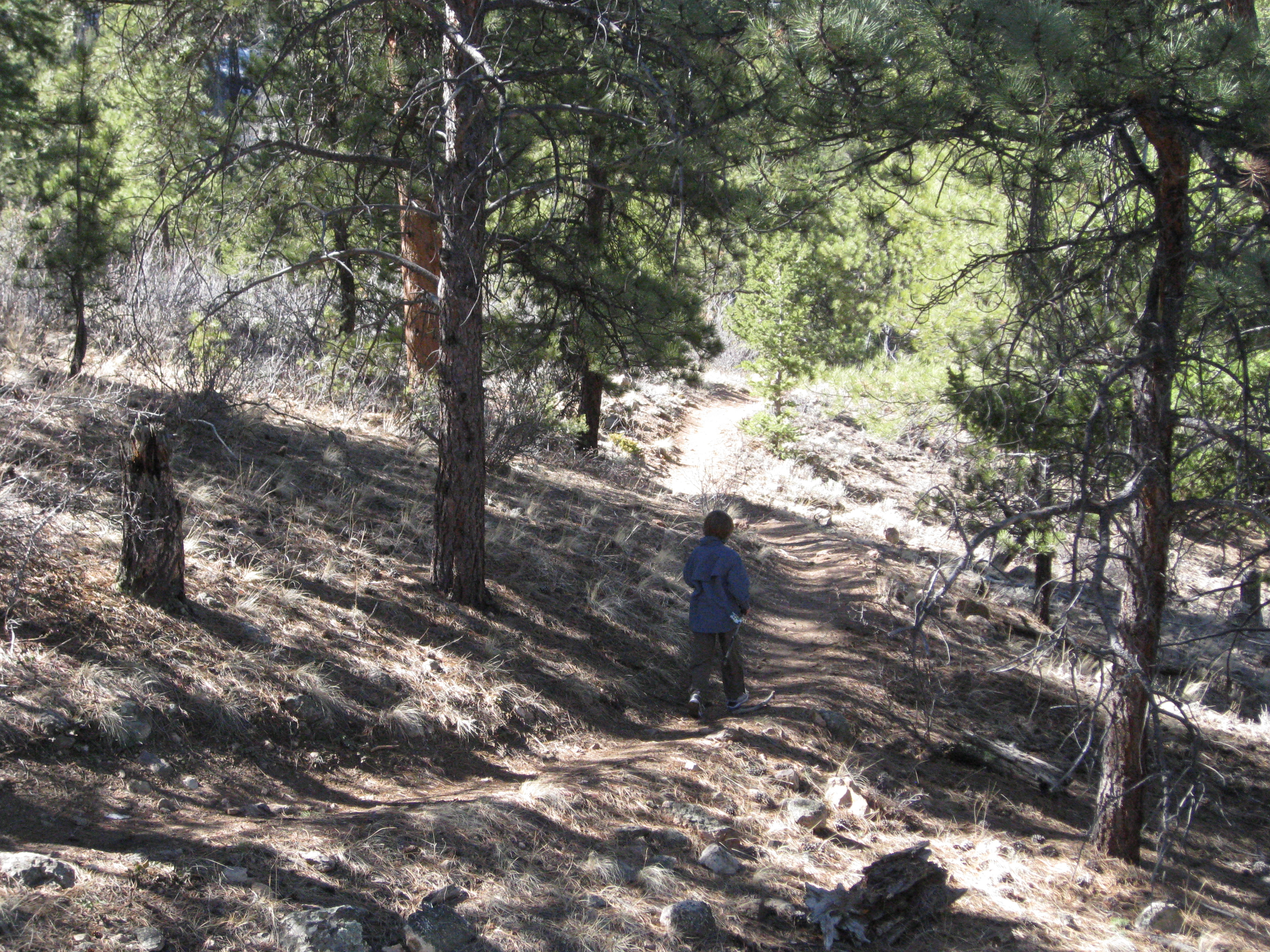
Having lived in the Rocky Mountains for a few years, I learned that the most difficult treks can be the most beautiful. The twists and turns have great surprises along the way. The climbs and curves slow us down enough to see the views, the wildflowers, and the wildlife that would be a blur on a long, straight path where we can speed along at our best pace.

God knows we would prefer an easy way. But sometimes he has a bigger purpose for us than ease (that restfulness will come only in the life to come). There are periods in our life for slowing, for thinking things through, for relying on another traveler to help us get past the rough spots, and for simply trusting God. None of that happens when everything is easy.

What do we do if we are on a rocky part of the road right now – and maybe it’s been challenging for a long time, with no smooth path in sight yet? We endure. We go a step at a time. We ask for help from someone near. And we cling to the promise that God is producing something good in us as we take courage and keep on keeping on.

“The Lord is my strength and my shield; in him my heart trusts, and I am helped.” – Psalm 28:7

Half a Mile Ahead

I never see God. I seldom run into visual clues that remind me of God unless I am looking. The act of looking, the pursuit itself, makes possible the encounter. ” – Philip Yancey

When we traveled to Israel a few years ago, we learned to stay close to our guide. We literally would have been lost without her!

Given that experience, it was interesting to read in the story of the Israelites crossing the Jordan River (Joshua 6) that God gave different instructions. He wanted the people to follow the priests who were carrying the Ark of the Covenant, but they were to follow more than half a mile behind. Not up close, but quite a distance away. That meant they might lose sight of the Ark or the view might be obstructed. I know I would have wanted to be a lot closer to those leaders. It’s more comfortable to follow by sight than by faith!

It made me think about life. There are times when we’re on a path we believe God placed us on, but we’ve lost sight of him, or we’re not understanding his guidance as clearly as we’d hoped. We begin to question whether we’re even on the right path. And, on really bad days, we’re afraid he’s forgotten us. He hasn’t! He’s sometimes half a mile out front making sure everything’s ready when we get there.

God’s not as far away as we think. He may be out of sight, but he’s still leading. We need to follow and trust. We’ll probably see him around the next bend.

 “. . . I go to prepare a place for you. . . And if I go and prepare a place for you, I will come again and will take you to myself, that where I am you may be also.” – John 14:2b-3

Something new?

“There are far, far better things ahead than any we leave behind.” – C. S. Lewis

Are you facing something new in your life? A new relationship? Job? Baby? Class? Diagnosis? Neighborhood?

After Moses’ death, the Israelites were facing something new, too. They had been in the desert for 40 years and now were were camped on the eastern side of the Jordan River just waiting to cross and begin to claim the land God had promised. Joshua recognizes how scary this might be when he said, “you have not passed this way before.” (Joshua 3:4b)

There was a new leader to follow, a new river to cross, new land to take over, and new cultures to understand. So, God tells them, through Joshua, that he will show them the way. They just have to follow the priests who are carrying the Ark of the Covenant.

When we face something new in our lives, don’t we feel like that? We have left behind something familiar and comfortable. We haven’t done this thing before. How can we do it right? How can we succeed? Joshua’s message brings us comfort knowing that God realizes our fears. He knows we haven’t passed this way before, but he knows the way and tells us just to follow him.

And following God always brings the unexpected. The next thing the Israelites saw was the priests stepping into the Jordan River which was overflowing its banks. The rushing water stopped and the people were given a path through to the other side.

If we want a full life, we sometimes have to let go of the old path and turn to the new. God will lead us and may have a few surprises along the way. Just ask Joshua!

“You have made known to me the path of life.” – Psalm16:11a

Secret Believers

 “Oh, how great peace and quietness would he possess who should cut off all vain anxiety and place all his confidence in God.” – Thomas a’ Kempis

In some countries, Christians must be careful about sharing their faith with people they don’t know, and they often bond with other Christians and meet together secretly. Their lives may depend on staying under cover.

For most of us, though, we’re not in danger if we talk about God or claim to be a follower of Jesus. But still, many of us tend to keep our faith under wraps.

The Gospel of John tells us many Jews believed in Jesus after witnessing the raising of Lazarus. But they believed secretly because they were afraid they would be ostracized by the religious establishment. John saw through their motivation for secrecy. He said, “They loved human praise more than praise from God.” (John 12:43)

John’s implication is we can either please other humans or we can please God, and very often we can’t do both. Sometimes we have to be willing to be criticized or ridiculed if we’re going to be bold in living out our Christian faith.

Maybe we need to be more honest about who we are, more comfortable with letting our faith in Christ show, and more willing to speak the truth. Sometimes that may bring a negative response, but, if we share of ourselves with quiet confidence and grace, God will be pleased. Who do we want to please the most?

Always be prepared to give an answer to everyone who asks you to give the reason for the hope that you have. But do this with gentleness and respect, keeping a clear conscience, so that those who speak maliciously against your good behavior in Christ may be ashamed of their slander.” – 1 Peter 3:15b-16

What I Can’t Do for Myself

Not that we are sufficient in ourselves to claim anything as coming from us, but our sufficiency is from God,” – 2 Corinthians 3:5

If God loves us, has all the resources in the world at his disposal, and is almighty, we should be living lives of ease, right? Just ask and he will deliver what we need. Kind of like Amazon.

Yet, we know it doesn’t work that way. God invites us to tell him our needs, but he often asks us to participate in answering our own prayers and sometimes even our prayers for others. If we’re sick, we pray for healing, but we also see a doctor, take the medicine, and get rest. If we’re in financial need, we ask God for direction and help, but we also work with diligence and spend with discretion. And if we pray for a friend in need, we might also lend a hand.

God enables us, partners with us, and blesses our efforts. He knows that is better for us than simply giving us everything we ask for. Maybe our prayer should be more like this:

“Dear Lord, please do for me what I cannot do for myself.”

When we pray that way, we begin to realize there are some critically important things only God can do. Only he can direct our paths, protect us from the evil one, forgive our sins, and give rest to our souls. Every one of these things is foundational to our physical, spiritual, and emotional well-being and, try as we might, we cannot do them for ourselves.

Sometimes, though, when he thinks it best for us, he steps in to heal, provide, or give special wisdom. Only he knows when and how to intervene. That’s why we trust him.

“Our quitting point is God’s beginning point.” – Woodrow Kroll

Bold Prayers


Let us then with confidence draw near to the throne of grace, that we may receive mercy and find grace to help in time of need.” – Hebrews 4:16

Do you pray wimpy prayers? Sometimes we all do. Prayers that are routine – people we want God to bless, safety for our children, good weather – you know the kind I mean. Not that these prayers are unimportant, but if that’s all we pray about, we’re missing something!

At least 1/3 of the psalms in the Bible are classified as laments. The writers are crying out to God asking him to wake up, to act, to strike enemies, to remember his people. These psalms are raw, honest, and bold. And God responds – in his own way and time.

So, what do you want to ask for? Do you need God’s comfort? Ask him. Or his forgiveness? He’s just waiting for you to ask. Who do you want God to chase after like the hound of heaven? Do you want to tell him about your frustration about unanswered prayers? Or talk to him about what’s making you sad or angry? Go ahead. Be confident. Pray as you’ve never dared pray before.

When we do that, we find out something: Praying boldly energizes us, fills us with strength. Confident prayers inspire faith, causing us to be on the lookout for answers we hadn’t had the courage to look for before. Bold prayers remind us that God is the only reliable source of our rescue or provision.

So what are we waiting for? Let’s start praying in a whole new way – with confidence and boldness. God wants to hear the honest cries of our hearts.

“He already cares about the things we pray about . . . He has simply been waiting for us to care about them with him.” – Philip Yancey