God’s Language

The heavens declare the glory of God, and the sky above proclaims his handiwork. Day to day pours out speech, and night to night reveals knowledge.  – Psalm 19:1-2

Author and missionary Frank Laubach prayed this prayer on January 1, 1937, “God, I want to give you every minute of this year. I shall try to keep You in mind every moment of my waking hours . . . I shall try to learn your language as it was taught by Jesus and all others through whom you speak . . . “

He kept a journal during that year in which we see him trying to figure out the language of God. As he goes through his days, he finds God speaking through unsolved problems, needs, notes in his calendar, mottos on walls, memories, and, of course, the Bible, teachers, and creation itself.

We, too, can learn God’s language. We simply have to be looking for his activity around us, listening for his direction, wanting to know what he is trying to say. Laubach wanted to be doing that every waking minute of his day. I’ve tried that – it’s really not possible! But if the desire is there, even with failed attempts, God will begin to reveal himself.

Focusing on that connection doesn’t have to take a lot of time. Sometimes it’s a quick “thank you” or, if you have no words, a nod and a smile – a simple acknowledgement that he is with you, right there in your office, kitchen, den, or car. And he’s always speaking. We just need to learn his language!

“We look for visions from heaven, for earthquakes and thunders of God’s power . . .  and we never dream that all the time God is in the commonplace things and people around us. If we will do the duty that lies nearest, we shall see Him.” – Oswald Chambers


A Holy Place

“I am the Lord; for they shall not be put to shame who wait for, look for, hope for, and expect me.” – Isaiah 49:23b

Do you have a holy place? A place where God seems close? It might be as simple as a familiar chair where you pray every morning or as complex as driving to a church or chapel for an intimate time with him. Wherever it is, do you spend a lot of time hanging out there?

If so, you will understand Joshua. He wasn’t content with a faith delivered through someone else. He wanted to know God personally. So, when Moses went into the tent to meet with God, Joshua waited outside. Then, after Moses went back to the camp, Joshua stayed at the tent, wanting more time in the holy place.

This contrasts with the rest of the people who were afraid of God and asked Moses to represent them and bring messages back so they didn’t have to risk being too close to the all-powerful one. Joshua wanted first-hand experience –  he wanted to know God for himself – even if it was risky (Exodus 33:7-11).

We can know God for ourselves, too! The key may be hanging out a little more often and for longer periods of time in the holy place. The place where he is near and has shown himself in the past. He longs to connect to us. We just need to be ready to receive him.

Lord, I want to be like Joshua – staying in your presence so I can be there when you have something to show me or something to say to me. I don’t want to miss you!

“God will lead you, almost without your knowing it, if you will be faithful to come before him quietly.” – Francois Fenelon


#prayer


Warm-ups for Prayer

“Continue steadfastly in prayer, being watchful in it with thanksgiving.” – Colossians 4:2

I tend to greet God in pretty much the same way every morning and it’s a pattern I picked up from a revered Bible teacher. It involves saying “good morning” to each person of the Trinity, pausing to worship the Triune God, then asking for his mercy. The opening words are often the same, but the worship or follow up prayer time changes from day to day.

Why do I do this? Because when I begin my quiet time, I may not feel very spiritual or even ready to pray. My routine opening prayer becomes a catalyst for more conversational prayers to follow.

Here’s another example: We’ve taken what is commonly known as The Lord’s Prayer and often use that in a way that can be mechanical or rote, but if we slow down and think about what we are praying, phrase by phrase, it’s powerful. And the very familiarity of the prayer often opens our hearts to deeper, more personal prayers.

Another way to stimulate heart-felt prayers is to use a psalm or other portion of Scripture and pray about each phrase or sentence as you read. In Scripture we read about God and his purposes. Praying those understandings back to him sometimes opens a fountain of thought about people or situations in our lives we need to pray about.

I think we all sometimes need to calm, direct, and warm our hearts and minds for prayer. A routine reading, prayer, or pattern can do that for us. God enters our lives when we find a way to open the door to him.

“Prayer is not only asking, but an attitude of mind which produces the atmosphere in which asking is perfectly natural.” — Oswald Chambers

#prayer

Break for Blessings

“We wait in hope for the Lord; he is our help and our shield. In him our hearts rejoice, for we trust in his holy name. May your unfailing love be with us, Lord, even as we put our hope in you.” – Psalm 33:21-22

Sometimes when we pray or read the Bible, we think we’re doing God a favor. Don’t get me wrong, he loves it when we spend time with him – he wants to be the focus of our attention. But I’ve found he always gives me so much more than I give him!

Then throughout the day, when I stop to think about God, offer a short prayer, or remember a verse or phrase from the Bible, it’s as if I’ve opened up a pipeline to heaven through which he sends blessings. The most common one, for me, is joy. But there are others:

  • a sense of his presence
  • peace, knowing he has everything under control, even when I don’t
  • a new idea for a problem I’ve been wrestling with
  • or reassurance of his desire to be working for my good

He’s waiting to do all that for you, too. I think you already know that!

Our Father in heaven wants to be in daily, hourly relationship with us. He is always there, always ready. Stopping to engage with him is our responsibility. When we do, he responds. And our needs are met, sometimes needs we didn’t even know we had. Those moments become sparks of joy that brighten our entire day.

So, no matter how busy we are, let’s pause often to remember the one who waits for us to turn to him. His smile will be worth the pause!

“When I remember to pause, blessings appear. I break for blessings.” – Macrina Wiederkehr


#blessings

Above all . . .

“In returning and rest you shall be saved; in quietness and in trust shall be your strength.” – Isaiah 30:15

How good are you at resting? God is very big on rest and actually designed our weeks to have one whole day in which we are told to rest – to stop what we do on other days and do something that is refreshing and restorative.

After God had given the commandments to Moses, he emphasized one of them: Above all you shall keep my Sabbaths, for this is a sign between me and you throughout your generations, that you may know that I, the Lord, sanctify you'” (from Exodus 31:13). Above all? Does God really mean that? Why, I wonder?

I think it’s so we learn to trust him. Trust him with the work we didn’t get done, with the plans that need to be made, and the relationships that need to be fixed. Trust him with the anxieties we carry all week. One day a week, we rest in his love and grace and his work on our behalf.

And that includes spiritual striving. God does the work of making us holy – setting us apart for him. We can try harder, working our hearts out to please him, but if he’s not in it, all our efforts are fruitless. Sometimes he just wants us to sit still in his presence and let him work his transformation in our lives. It is in that rest, perhaps, that we learn to love him with all our heart, soul, mind and strength and to love our neighbors as ourselves.

Maybe restful living is mostly about letting go.

“Unhurried does not describe how I spend hours or minutes. It describes a state of heart. Unhurried comes not from forced breaks, but from chosen stillness.” – David Timms

#sabbathrest

Wanting to Please

“. . . your steadfast love is before my eyes and I walk in your faithfulness.” – Psalm 26:3

Do you have someone in your life you love so much you wouldn’t do anything that would cause him/her pain, or sadness, or doubt about your commitment?

I think David felt that way about God. In Psalm 26 he writes about his life of integrity, sincerely telling God to show him if there was something that needed correction. With all his heart, David was trying to do what God wanted and, it seems, he was being quite successful at it!

What made it possible for him to live that way? Verse 3 gives us a hint. David says, “. . . your steadfast love is before my eyes and I walk in your faithfulness.”

This tells us something about the human heart:

  • Love motivates response.
  • Faithfulness fosters deep commitment.

Isn’t that true in your relationships? It’s easy to be committed to someone who loves us, is faithful to us, and who looks out for our welfare. But we all know that even the most loving, faithful person can let us down. And  others love us only when we make them happy. What we really crave is love that is unconditional.

The surest place to get the kind of love we need is from God himself and he has made that possible by loving us first. When we learn to open ourselves to receiving his love, we find we would not want to do anything that would hurt him. I think that’s where David was. His relationship with God was so important, he would not risk disrupting it by bad behavior. I want that to be true of me, too! Are you with me on that?

“Let your religion be less of a theory and more of a love affair.” – G. K. Chesterton

#lovingGod 

Leaving behind . . .

“Teach me, Lord, the way of your decrees, that I may follow it to the end.” – Psalm 119:33

We’re packing to move and, in that process, are sorting all our belongings into three theoretical piles: What goes to our Colorado home, what will be moved to our downsized  Michigan condo, and what will be left behind (given away or discarded).

This laborious process made me think about Jesus’ call to Peter, James, and John. They were fishermen and he asked them to leave their nets and boats and, in James and John’s case, even their father. Then I realized that following Jesus always means leaving something behind.

And, for us, that means even family. We’re moving across the country leaving adult children and amazing grandchildren in Michigan. Of course, we’ll still see them several times a year and we hope they’ll come often to visit, but following Jesus to Colorado (long story, but we believe he’s asking us to go there), means leaving family, and friends too, who will remain in Michigan. Ouch! Really, God?

“Yes, really. Following me means leaving some things behind and missing some people – at least for a time. Trust me with this. All will be well. I am working together a plan you cannot see and could not possibly imagine on your own. It will be good!”

Can you relate? Is Jesus calling you to follow him in a new direction? If so, what is he asking you to walk away from? It might be a home, job, relationship,  habit, or possessions. Talk to him, yield to his will, and watch him work his plan. Be prepared to be amazed!

“For God Himself works in our souls, in the deepest depths, taking increasing control as we are progressively willing to be prepared for His wonder.” – Thomas Kelly

#followingGod

When God Roars

“They will follow the Lord; he will roar like a lion. When he roars,his children will come trembling from the west.” – Hosea 11:10

Have you ever lost track of one of your children in a crowd? What do you do when that happens? You shout out the child’s name. You call out loudly, wanting him to hear your voice and come back to you.

Do you know God does that, too?

The prophets tell us that sometimes the great Lion of Judah roars to warn of coming judgment. But Hosea gives us a different view. He tells us that sometimes God roars when his children get too far away from him. He roars to let us know where he is so we can come back to his side. Hosea tells the people of Israel that when they decide to turn back to God, he will roar like a lion. Not at them, but for them. He will make himself clearly known so they can find their way from wherever they are. God’s roar is a call to come home. He makes it easy for us to find him!

I thought about that image and realized that, if I like the quiet voice of the shepherd more than the roaring voice of the lion, I need to stay near him. When he stops, I stop. When he moves, I move, always staying close enough so he can whisper in my ear. Never wandering away so he has to raise his voice to bring me back. Close is where he can sing to me. There I am safe, loved, caressed, and taught. Close is where I want to be!

“I would rather walk with God in the dark than go alone in the light.” – Mary Gardiner Brainerd


#walkingwithgod

What is God like?


“For since the creation of the world God’s invisible qualities—his eternal power and divine nature—have been clearly seen, being understood from what has been made . . . “ – Romans 1:2

If you want to know about someone, look at what they make: The chef’s desserts, the craftsman’s furniture, or the artist’s paintings. Their creations reveal their personalities and their message.

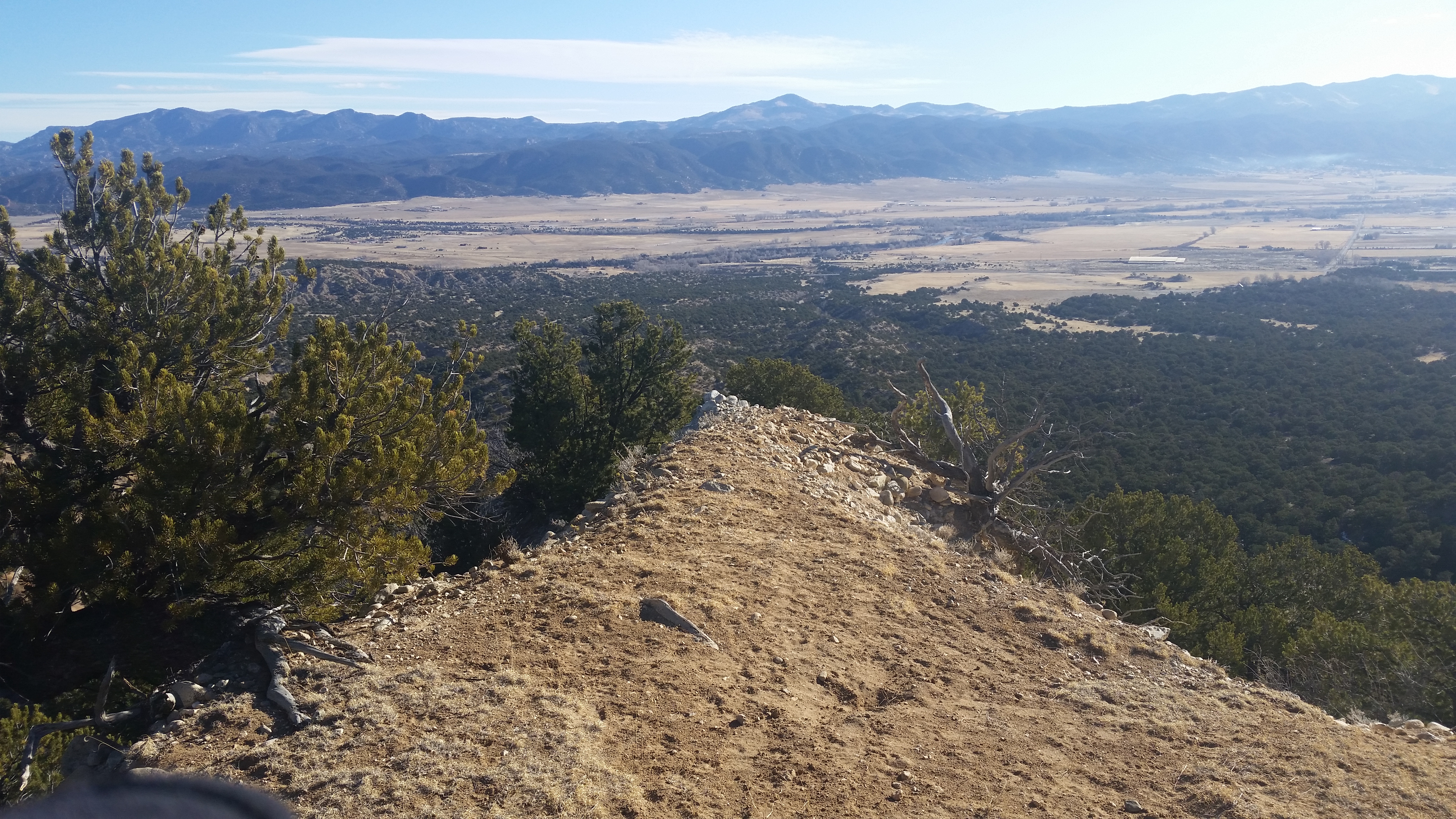
The same is true of God. We’re told in the Bible that the  natural world we see around us reveals us something about who he is.

The sheer size of creation – stars and galaxies, mountains, land, seas – shows God’s infinity, power, majesty, imagination.

The intricacy of nature – small flowers, insects, minute variations in temperature and winds that effect climate, the DNA that makes each person individual – uncovers God’s amazing attention to detail.

The constant provision of food for birds, animals, and humans by giving seed, rain, sun, photosynthesis, and reproduction reflects God’s involvement in our daily lives.

The variety of people the world – color, hair, face, shape, capabilities, personalities, desires – shows God’s love of the human form and person, implying his intimate involvement in who we are and who we become.

What can we conclude about God as we see and study the created world?

  • He is the God of the grandest of scales and tiniest of details.
  • He is the God of the past and the future, and the now.
  • He is personally involved in what he has made – including us.
  • He wants to be acknowledged as Creator and Lord.

When we see God in the created world, let’s turn our wonder into worship!

“Worship is giving God his true worth; it is acknowledging Him to be the Lord of all things, and the Lord of everything in our lives. He is, indeed, the Most High God!” – Sinclair B. Ferguson


#SeeingGod

Ready for change?


“. . . wash me and I will be whiter than snow.” – Psalm 51:7b

I remember beginning my prayer time that day with praise. Then I began confessing sins, naming ways in which I felt I was failing God: areas of self-control, worry, lack of compassion, not sharing his message with others. I was about to go on when he stopped me with something like this:

“You have one underlying problem: Not loving me with all your heart, mind, soul, and strength. Forget the list. Focus instead on knowing and loving me. All else will flow from that. Over time, the list of sins won’t be as important to you, but I will become most important. That’s what I want and what you need – for me to be your everything.”

We all have sins that need to be forgiven. The Bible does tell us to confess our sins. But on that day, God wanted me to take my eyes off my own failings and look at him instead. The ultimate goal, after all, is to become like Jesus. If we keep looking at ourselves, we’ll miss what he wants us to become. Over time, as I continue gazing at him, I begin to realize I am becoming calmer. I feel more concern for others. I am more self-controlled, and more likely to tell someone else about him and what he means to me.

It’s not that we don’t have to change – but God’s way of changing us is more effective than ours. And he does it by loving us, dirt and all, and inviting us into relationship with him. It seems our first step toward change is doing our best to love him with everything we’ve got!

“Communion with God is the one need of the soul beyond all other needs.” – George MacDonald